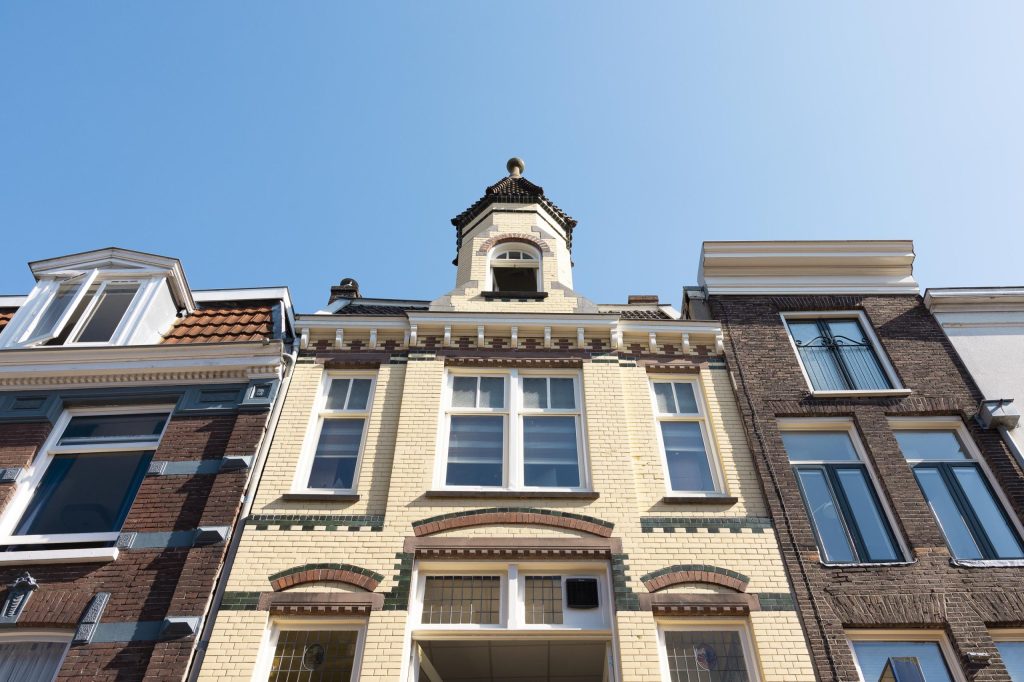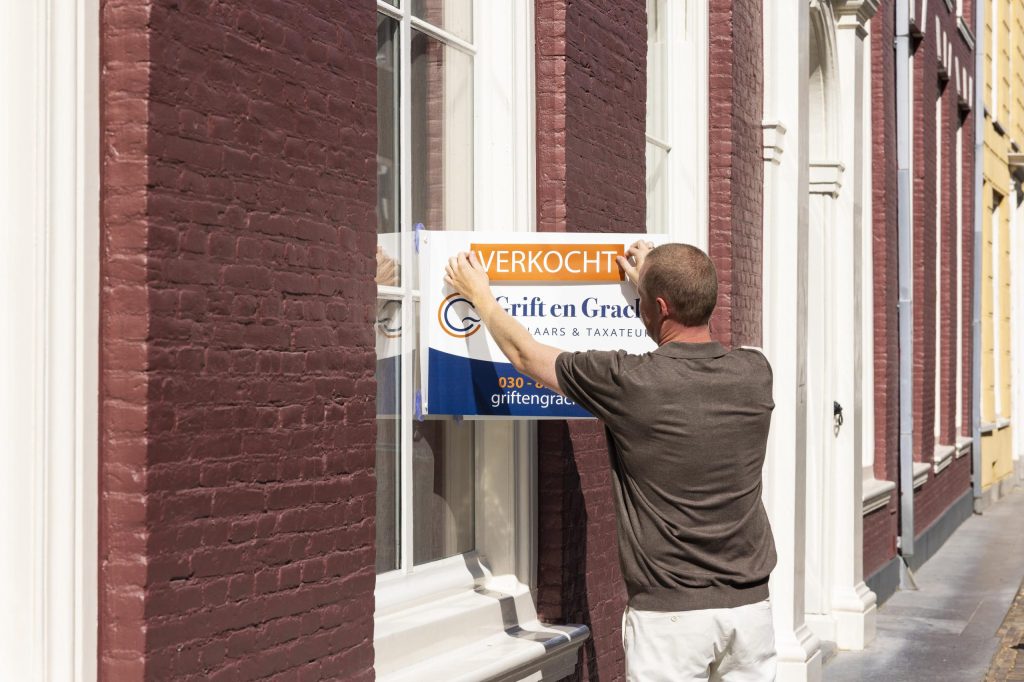
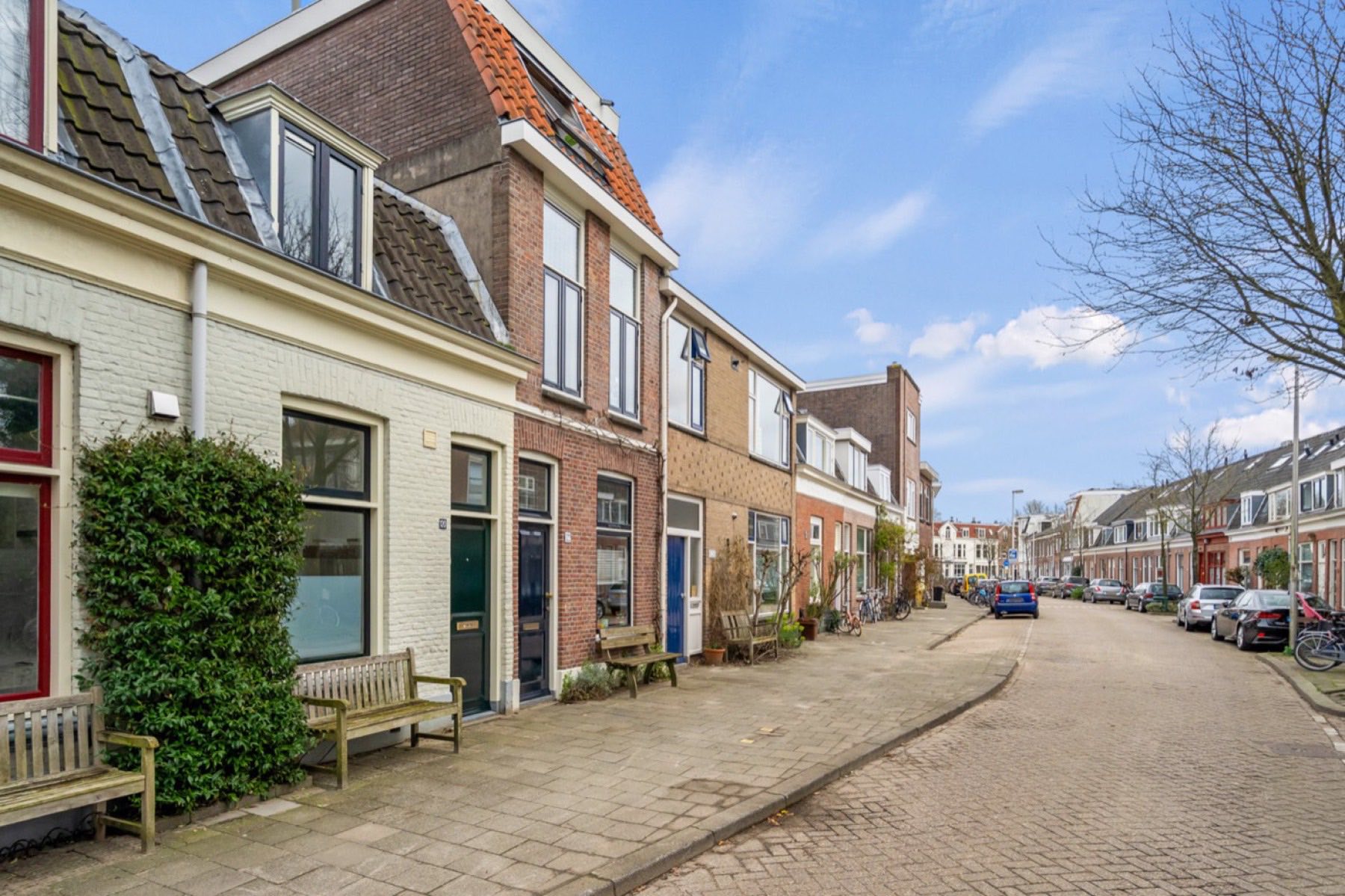
Buying a house remains a big step and is often quite exciting. You fall in love with a home because of the location, the finish, the layout or the appearance. But beneath the surface there can also be issues that you as a buyer are less likely to think about. The foundation is a good example of this.
The valuation report has been adjusted as of April 1, 2026. Foundation risks are given a clearer and more serious place in this. The biggest change? In the valuation report, the foundation risk is now presented more specifically with a risk class from A to E.
More insight through a clear risk class
Appraisers use the KCAF foundation risk report in the appraisal report. This report is based on available data about, among other things, year of construction, foundation type, soil conditions and known information from the environment.
The risk classes run from A to E:
- Class A, B and C: no or lower foundation risk
- Class D and E: increased foundation risk
This makes it clearer to buyers, sellers and mortgage providers more quickly whether there may be an area for attention. In most cases, a class A, B or C will not give rise to additional investigation. This may be different for class D or E. Then additional research may be required.
An initial investigation, such as a foundation quick scan or phase 0 investigation, can help to gain more clarity. The costs are often relatively limited compared to a complete foundation investigation. If the results are positive, the appraiser can include this information in the valuation report. This can help with the further processing of the mortgage application.
How do foundation problems arise?
Foundation problems mainly occur in older homes, especially in homes built before 1970. During that period, wooden piles or shallow foundations, also known as foundations on steel, were regularly used.
Risks can arise from, among other things:
- subsidence
- fluctuating or declining groundwater levels
- wood rot in wooden pile foundations
- settlement or subsidence of foundations on soft subsoil
- difference between different parts of a house
This problem mainly occurs in areas with peat and clay soils. With wooden posts, dryness is a particular risk: if wooden posts are left above groundwater for a long time, the wood can be damaged.
And what about in Utrecht?
The picture for home seekers in Utrecht is mainly positive. Compared to cities such as Amsterdam or Rotterdam, foundation problems are less widespread here. This is because large parts of Utrecht are located on relatively more stable sandy soils.
That does not mean that you do not have to pay attention to anything, especially in older neighborhoods or specific neighborhoods it can still occur. But in general: the chance of serious foundation problems is smaller in Utrecht than in many other urban areas in the Netherlands.
What can you pay attention to yourself?
Even without technical knowledge, you can pick up signals during a viewing. For example:
- cracks in facades or interior walls, especially gradually and in several places
- doors or windows that are difficult to close
- visible tilt
- crooked floors
- moisture problems or noticeable subsidence around the home
Don’t you see these kinds of signals? Then that is often a reassuring first signal. But it doesn’t say everything. Not every foundation problem is immediately visible.
Transparency helps you move forward
The change as of April 1, 2026 ensures that foundation risks are more clearly included in the purchasing process. That is positive, because it means that important information is presented earlier and in a more concrete manner.
At the same time, it is good not to be unnecessarily deterred. An increased risk class does not automatically mean that there is foundation damage. It mainly means that there may be reason to take a closer look or to have additional research done.
The selling agent can often provide information about what is known. Your own purchasing agent can also help you ask the right questions and properly assess the information.
In short: be well informed, look critically at the available data, but don’t panic immediately. With the right knowledge and guidance, you can also buy a home with confidence today.