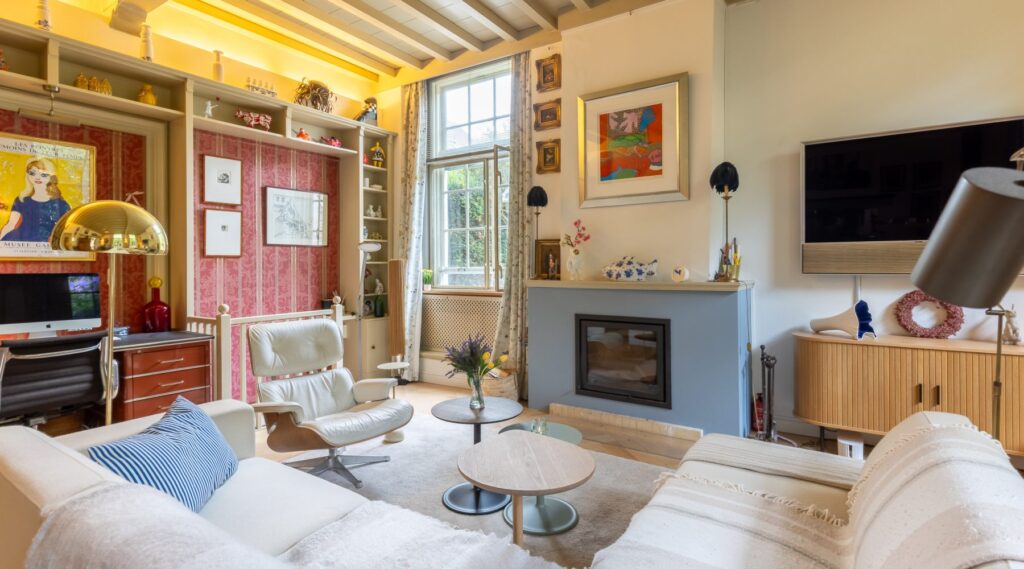
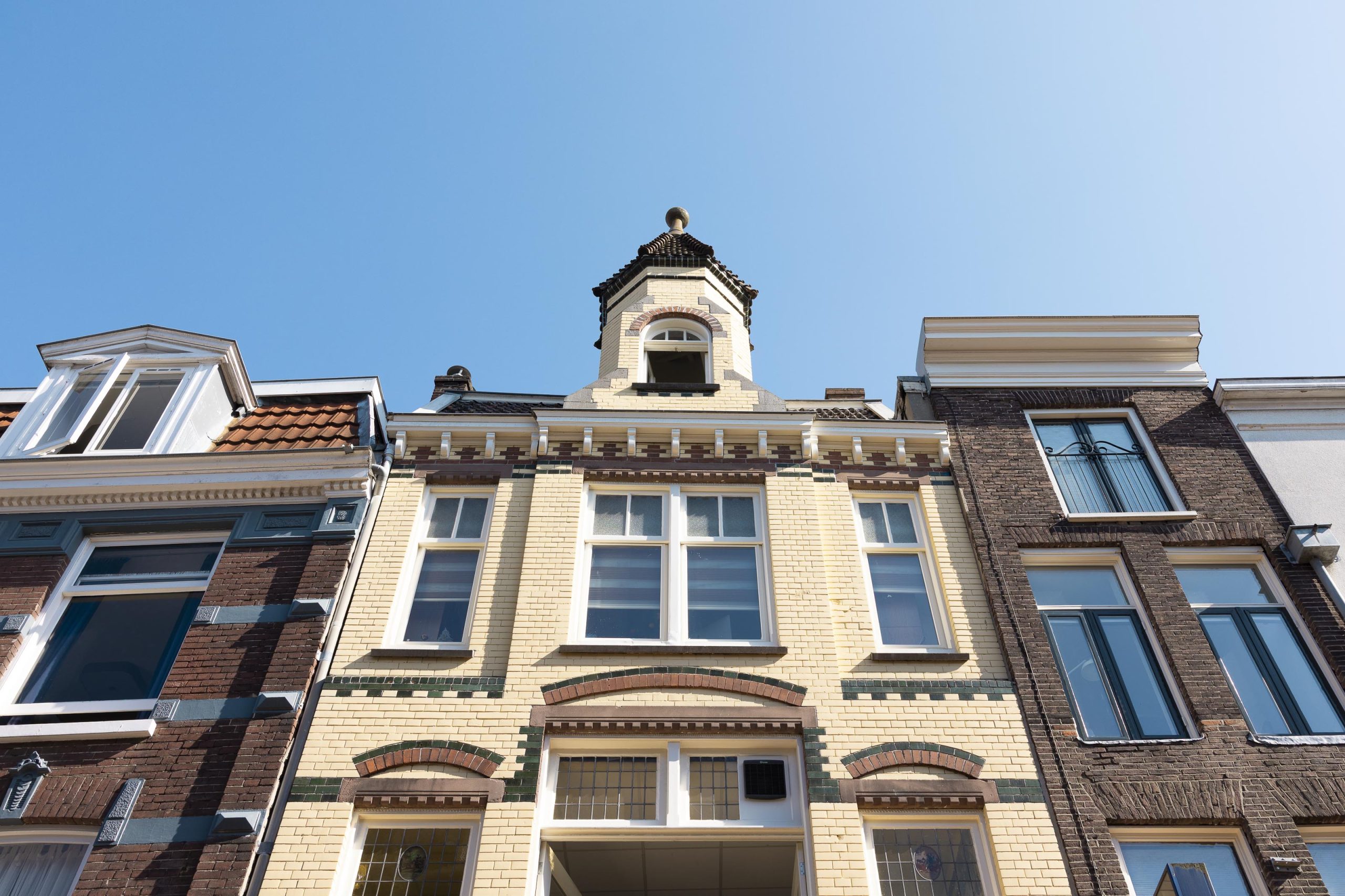
High ceilings, stained-glass windows, original details and a façade full of character. Utrecht is full of houses like these. Beautiful, of course, but a pretty façade can also hide a fair amount of maintenance. That is why it pays to know exactly what you are buying. So: what should you look out for before you make an offer?
Full of character, but what about the insulation?
Stained-glass windows and high ceilings give a house character. But how comfortable is it in winter? Many older homes, such as Utrecht’s 1930s houses, were built without modern insulation. A lot has often been improved since, but the differences remain large. So check the energy label and the insulation of the roof, floor and façade. Also look at the glazing and the heating system. Ask which energy-saving measures have already been carried out and whether there is documentation for them.
Looking for a 1930s home? Oog in Al and Tuindorp are full of them.
Prefer an old house from a different era? Then take a look at neighbourhoods such as Wittevrouwen, Oudwijk and the Vogelenbuurt.
Fortunately, there are plenty of ways to make an old house more sustainable. Think of roof and floor insulation, insulating glass or interior wall insulation with stud walls. In historic buildings, secondary glazing or vacuum glazing can help preserve original details. When insulating, make sure there is enough ventilation to prevent damp problems. A less favourable energy label does not have to be a dealbreaker, as long as you know what it takes to make the home more comfortable and energy efficient.
Look beyond a pretty façade
An old house can look wonderful, but a fresh coat of paint says little about its structural condition. During a viewing, look out for cracks in walls, sloping floors and sticking doors. These can be signs of subsidence, although that does not necessarily mean something is wrong. Also ask about the condition of the foundations and check whether a foundation risk class is known. If the risk is elevated (class D or E), further investigation is advisable, because a standard building survey does not give a conclusive verdict on the foundations. If in doubt, have a foundation risk assessment (Phase 0) carried out first and bring in a foundation specialist if needed.
Also watch out for damp patches, a musty smell or loose plasterwork. These can point to leaks, rising damp or insufficient ventilation. Take a close look at the cellar and crawl space in particular. Moisture there can affect wooden floor joists and cause wood rot or mould.
Maintenance: what you don’t see during a viewing
A new kitchen or smoothly plastered walls catch the eye straight away. But the condition of the roof, window frames and installations is at least as important. Ask when the roof was last replaced and whether there have been leaks in the past. Check the window frames for wood rot and look at the state of the paintwork, the façade and the pointing. The electrics and pipework deserve attention too. In older homes, installations can be outdated, even if the interior has been renovated. So ask whether the fuse box, wiring and pipes have been replaced, and when.
Planning to renovate? Check what’s allowed first
Utrecht is full of special historic buildings. Some of them are designated as a national or municipal monument. Parts of the city, including the historic centre, are also protected conservation areas. That makes a home special, but it can also affect your renovation plans. Want to replace window frames, build an extension or install solar panels, for example? Extra rules may then apply and you may need an environmental permit . For listed buildings, even changes to the interior can fall under the protection.
Have the property surveyed
With an old house, a building survey is often a good idea. A surveyor checks the roof, façades, floors and window frames, among other things. This gives you insight into possible defects, necessary maintenance and the expected costs. Hidden defects do not always come to light. As a buyer, you have a duty to investigate. So ideally, schedule a survey before signing, or include a building survey condition in your offer.
Watch out for the age clause
With older homes, the purchase agreement often includes an age clause. This allows the seller to shift certain risks to the buyer. If you discover defects after the purchase, the costs may be yours. Ask your buying agent which defects fall under the clause and what this means for your risk. If necessary, have the wording amended before you sign.
Looking for a new home? We’re happy to help!